Emergency Dentist Strategies for Treating Dental Abscesses Quickly
A dental abscess rarely arrives quietly. Most patients describe the same pattern, even if the details differ. It starts as a nagging toothache, a tenderness that seems manageable, or a bad taste in the mouth that comes and goes. Then it accelerates. The pain deepens, chewing becomes difficult, the gum swells, and sleep gets interrupted. By the time someone searches for an Emergency Dentist, the problem has usually moved beyond discomfort and into infection control.
That shift matters. A dental abscess is not just a sore tooth. It is a pocket of infection, usually caused by bacteria entering the pulp of the tooth, the surrounding gum tissue, or the supporting bone. If untreated, it can spread into nearby facial spaces, trigger fever, cause visible swelling, and in serious cases affect the airway or general health. Quick treatment is not a matter of convenience. It is a matter of preventing escalation.
What effective emergency care looks like depends on several factors, including the location of the abscess, the patient’s age, the source of the infection, whether swelling is localized or spreading, and whether the tooth is salvageable. The fastest strategy is not always the same as the best one. Experienced emergency dentists balance pain relief, infection drainage, structural preservation, and patient safety in real time.
Why dental abscesses become true emergencies
An abscess forms when bacteria gain access to tissue that should be protected. In a tooth, that often means deep decay, a crack, a failing filling, or trauma that exposes the pulp. In the gums, periodontal pockets can become infected and collect pus. Once that infection is trapped, pressure builds. Pressure is one reason abscesses hurt so intensely. It irritates the tissues around the tooth and often creates a throbbing pain that seems to pulse with the heartbeat.
The urgency rises when symptoms spread beyond the tooth itself. A patient with mild, localized swelling and no fever may still need same-day care, but a patient whose face is visibly enlarging, who struggles to swallow, or who reports feeling feverish and weak needs immediate intervention. I have seen patients wait because the pain temporarily eased after the abscess began draining on its own. That can be misleading. Reduced pressure does not mean the infection is gone.
One of the most important jobs of an Emergency Dentist is separating the manageable abscess from the dangerous one. Many cases can be stabilized safely in a dental setting. Some need urgent referral to a hospital, especially when there is concern about airway compromise, severe facial space infection, rapid spread, or a medically vulnerable patient whose immune response is impaired.
The first few minutes of assessment matter most
Fast treatment begins with fast triage. In emergency dentistry, the first questions are not decorative. They guide every next move. Where is the swelling? Has it been getting larger by the hour or by the day? Is there fever? Can the patient open their mouth fully? Is swallowing painful? Has there been recent dental work, trauma, or a broken tooth? Is the patient diabetic, pregnant, immunocompromised, or taking blood thinners?
A careful clinical exam follows. The dentist checks the face for asymmetry, the floor of the mouth for elevation, the gums for fluctuant swelling, and the tooth for tenderness to percussion, mobility, deep decay, or fracture lines. Radiographs often confirm the source, but in many emergency cases the diagnosis is already strongly suggested by the story and the exam. X-rays help determine whether the infection is centered at the root tip, associated with periodontal disease, linked to a failed root canal, or connected to a tooth that cannot realistically be restored.
The patients who do best are often the ones treated before the infection spreads into deeper spaces. That is why same-day evaluation has such value. Waiting several more days with home remedies can turn a straightforward drainage procedure into a more complex infection requiring broader medical management.
Recognizing when a dental abscess needs urgent attention
Some symptoms suggest an abscess that can still be handled in a routine urgent slot. Others signal a genuine emergency. Patients, front-desk teams, and clinicians all benefit from recognizing the difference quickly.
- Severe, throbbing tooth pain that keeps worsening or wakes the patient at night
- Swelling of the gum, cheek, jaw, or under the eye
- Fever, chills, foul taste, or pus draining into the mouth
- Pain with swallowing, limited mouth opening, or trouble breathing
- A tooth that feels raised, loose, or too painful to bite on
That final point https://rowanbaox053.inkharbory.com/posts/emergency-dentist-advice-for-tooth-sensitivity-that-turns-severe gets overlooked. When patients say, “It feels like that tooth is sticking up higher than the others,” there is often pressure around the root or ligament. It is a common sign of acute infection and inflammation.
The fastest effective strategy is drainage, not just medication
One of the biggest misconceptions around abscess care is that antibiotics alone fix the problem. They help in the right circumstances, but they are rarely the main solution. Pus in a confined space behaves differently from a surface infection. If pressure and infected material remain trapped, symptoms often persist even after antibiotics have started. The core principle of emergency management is simple: remove the source of infection and establish drainage whenever possible.
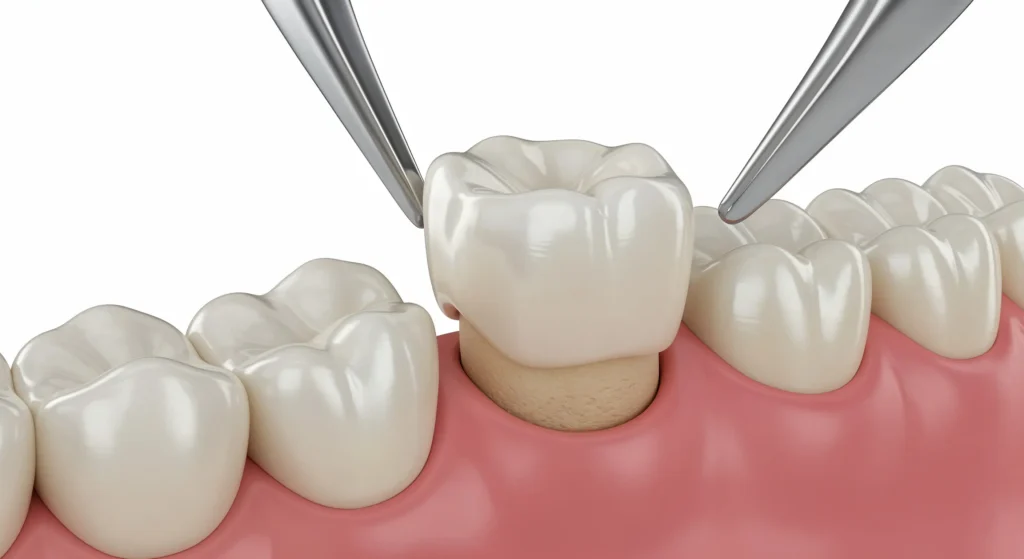
That drainage may come from the gum if there is a fluctuant swelling accessible through the soft tissue. It may come through the tooth if the source is endodontic and the pulp chamber can be opened safely. It may require extraction if the tooth is too damaged to save or if immediate removal offers the most predictable relief.
A well-handled emergency visit often transforms a patient’s condition within hours. The pain may not disappear instantly, but once the pressure is relieved, the sharp throbbing typically drops significantly. Patients often say the difference is dramatic, even before the anesthetic has fully worn off.
How an Emergency Dentist chooses the right immediate treatment
The decision tree is not mechanical. It is clinical judgment under time pressure. Several strategies can work, but the dentist has to choose the one that best balances speed, safety, and long-term outcome.
- Incision and drainage when soft tissue swelling is localized and accessible
- Opening the tooth for drainage when the abscess is pulpal in origin and the tooth may be saved
- Extracting the tooth when it is non-restorable, cracked beyond repair, or the fastest definitive option
- Prescribing antibiotics when there is spreading infection, systemic involvement, or elevated risk
- Referring to hospital care when swelling threatens the airway or extends into deeper facial spaces
These options are not mutually exclusive. A patient may need drainage plus antibiotics. Another may need extraction plus a follow-up restorative plan. The key is that the treatment should address the source, not merely suppress symptoms.
Incision and drainage, when swelling points the way
When an abscess forms a localized soft swelling in the gum or vestibule, incision and drainage can provide the fastest physical relief. After local anesthesia, the dentist makes a small incision into the area of maximum fluctuation, allows pus to escape, gently breaks up loculations if needed, and irrigates. In some cases, a small drain is placed temporarily to keep the site open long enough for continued decompression.
This sounds dramatic to patients, but clinically it is often the most efficient move. Pressure reduction matters. Once the trapped infection has a pathway out, tissue tension decreases and pain often eases quickly. The limitation is that drainage alone does not eliminate the diseased tooth or deep periodontal source. It buys time and reduces immediate danger, but definitive care still has to follow.
There is also a technical caveat. Not all swelling is ready for incision. Early cellulitis, where tissues are hard, hot, and diffusely swollen without a localized fluid pocket, may not yield much pus. In that stage, the dentist often focuses on source control, antibiotics when indicated, and close monitoring.
Opening the tooth, a conservative route when the tooth is worth saving
If the abscess originates from an infected pulp and the tooth is structurally restorable, opening the tooth can be the best emergency strategy. This is essentially the first step of root canal treatment. The dentist creates access through the crown, removes infected pulp tissue, allows decompression through the canal, and may begin initial cleaning. Even limited endodontic access can dramatically reduce pain because it releases internal pressure.
This option works especially well for patients who want to keep the tooth and whose crown and root condition make that realistic. It also avoids the emotional and functional cost of extraction, which can be significant in visible areas or in heavily loaded back teeth. The trade-off is that one emergency visit rarely finishes the entire root canal process. The patient still needs completion of treatment and later restoration, often a crown.
In practice, the emergency dentist has to judge whether the tooth can truly be saved. A badly split molar, severe recurrent decay extending below the gum line, or extensive bone loss may make extraction more honest and more effective. False optimism can prolong infection and increase cost.
When extraction is the quickest definitive answer
Many abscessed teeth are simply beyond recovery. In those cases, extraction is not a failure. It is the cleanest and fastest way to remove the nidus of infection. Patients are sometimes reluctant at first, especially if the tooth has sentimental value or sits in a visible area. Yet in a genuine emergency, preserving a hopeless tooth can become an expensive detour.
An experienced Emergency Dentist explains this carefully. The question is not whether the tooth once mattered. It is whether it can function predictably after treatment. If the answer is no, extraction often provides the most reliable path to relief. Once the infected tooth is removed, the socket can drain, the bacterial load falls, and healing usually progresses well with proper aftercare.
There are exceptions. Severely acute teeth can be difficult to anesthetize. Trismus may limit access. Medical issues may complicate surgical removal. But in a straightforward case, extraction can resolve both pain and infection faster than piecemeal treatment.
Antibiotics, useful but frequently misunderstood
Antibiotics have a role, but not every abscess requires them. If the infection is localized, drainage is established, and the patient is otherwise healthy with no fever or spreading swelling, definitive local treatment may be enough. Overprescribing antibiotics creates resistance problems and may offer only temporary symptom suppression.
Antibiotics become more important when there is diffuse swelling, cellulitis, fever, malaise, lymph node involvement, or a patient-specific risk factor such as diabetes, immunosuppression, or significant difficulty obtaining prompt follow-up. They are also part of the plan when an infection is spreading through tissue planes rather than remaining confined.
Patients often expect a prescription as proof that the visit was successful. Good emergency care sometimes means explaining why a procedure matters more than a bottle of tablets. If the pus stays trapped, medication alone can underperform. If the source is treated properly, antibiotics may be supportive rather than central.
Pain control, and why numbness can be tricky in infected teeth
One challenge in emergency abscess care is anesthesia. Acidic infected tissue can reduce the effectiveness of local anesthetics, particularly in lower molars. That is why an abscessed tooth may still “feel everything” despite a routine injection elsewhere in the mouth. Skilled emergency dentists adjust technique, often combining nerve blocks with supplemental infiltration, periodontal ligament injections, or intraosseous methods where appropriate.
Pain control after the visit also deserves a practical plan. Anti-inflammatory medication is often more effective than patients expect because much of the pain comes from pressure and inflammation. Once drainage or extraction has reduced the source problem, medication tends to work better. Clear timing instructions matter. Patients who wait until the anesthesia fully wears off before taking anything often have a rougher evening.
Hydration, rest, and avoiding excessive chewing on the treated side help too. These are not glamorous recommendations, but they often make the first 24 hours more tolerable.
Imaging, judgment, and the edge cases that change everything
Not every abscess follows a textbook pattern. A swelling near an upper front tooth may trace back to trauma from years earlier. A lower molar abscess may mimic ear pain. A patient may point to one tooth, while the real problem sits two teeth away. Radiographs help localize the lesion, assess root structure, reveal periapical radiolucency, and identify hidden fractures or failing prior treatment.
Some cases deserve extra caution. Pregnant patients can still receive urgent dental care, but medication choices and imaging decisions are handled thoughtfully. Children may struggle to describe symptoms accurately, and facial swelling can progress quickly. Elderly patients may underreport pain yet present with more advanced infection because sensation and response patterns differ. Patients on bisphosphonates, blood thinners, or with recent cardiac history require tailored decision-making.
A seasoned emergency clinician learns to respect the odd presentation. The patient with “just a little swelling” who cannot fully open the mouth may be more concerning than the one with obvious gum swelling that drains readily. Speed is valuable, but speed without judgment creates risk.
What patients should do before they are seen
The hours before treatment can feel long, especially if pain is escalating. While home care cannot cure an abscess, a few measures can reduce harm and help the Emergency Dentist work more efficiently once the patient arrives.
Rinsing gently with warm salt water can improve comfort and keep the mouth cleaner. A cold compress on the outside of the face may help with swelling, while heat is usually unhelpful and can worsen the sensation of throbbing. Patients should avoid placing aspirin directly on the gum, which can burn soft tissue. They should also avoid trying to lance the swelling themselves. That goes badly more often than people realize.
If over-the-counter pain medication is medically appropriate for the individual, taking it according to label directions can help bridge the gap until treatment. Most importantly, if swelling is increasing rapidly, swallowing becomes difficult, or breathing feels restricted, the right destination is emergency medical care, not a delayed dental appointment.
After the emergency visit, the job is only half done
A common mistake is assuming relief means cure. Many dental abscesses improve dramatically after drainage, access, or extraction, but follow-up determines whether the problem truly resolves. If a tooth was opened for emergency decompression, root canal completion still has to happen. If antibiotics were prescribed, the patient needs to understand when to call back because symptoms are not improving. If the abscess came from advanced gum disease, ongoing periodontal treatment may be the real long-term answer.
This is where a professional tone from the dental team matters. Patients in pain often hear only fragments of instructions. Clear writing, realistic timelines, and specific warning signs improve outcomes. Telling someone, “You should feel some relief within 24 hours, but call immediately if swelling worsens or fever develops,” is more useful than vague reassurance.
I have seen patients return embarrassed because they missed a follow-up and the swelling came back. There is no value in making that harder for them. Recurrent abscesses are common when definitive treatment is postponed, especially in cracked teeth and partially treated root canal cases.
Why speed and restraint both matter
Fast care is essential, but over-treatment can be as problematic as delay. Draining every red area, extracting every painful tooth, or prescribing antibiotics reflexively is not good emergency dentistry. The best clinicians move quickly while staying selective. They know when to intervene, when to monitor, and when to escalate to surgical or hospital care.
That balance comes from pattern recognition and practical experience. A small vestibular swelling over a decayed tooth with a clear radiographic lesion is one kind of problem. A firm swelling under the jaw with fever, difficulty swallowing, and increasing trismus is another category entirely. Both are abscess-related, but they do not belong on the same treatment track.
Patients usually remember two things from a dental emergency, whether they felt heard and whether the pain started turning around quickly. Technical skill matters, of course, but so does communication. Explaining why drainage matters, why a tooth can or cannot be saved, and what changes overnight would be concerning builds trust in the middle of a stressful event.
An Emergency Dentist treating a dental abscess quickly is not simply trying to stop pain for a day. The real goal is to interrupt infection before it spreads, preserve what can be preserved, remove what cannot, and send the patient into the next 24 to 48 hours on a safer, more predictable path. When that is done well, the visit feels urgent but not chaotic, decisive but not rushed. That is the difference between temporary relief and effective emergency care.
Simple Dental Vermont
Address: 8914 S Vermont Ave, Los Angeles, CA 90044
Phone number: +13239493000
FAQ About Emergency Dentist Los Angeles CA
What can the ER do for a tooth?
The emergency room can provide temporary symptom relief for a bad tooth, such as prescribing pain medicine or antibiotics, but it cannot fix the actual dental problem.
What is the 3-3-3 rule for tooth infection?
The 3-3-3 rule for a toothache or infection typically means taking three 200 mg ibuprofen tablets (600 mg total) three times a day for no more than three days to control pain and swelling while waiting to see a dentist.
What do you do if you have a dental emergency but no dentist?
If you have a dental emergency and no regular dentist, you should search for an urgent care dental clinic, call local walk-in dental offices, or go to a hospital emergency room if you have severe bleeding, swelling, or trouble breathing.