How an Emergency Dentist Manages Soft Tissue Injuries in the Mouth


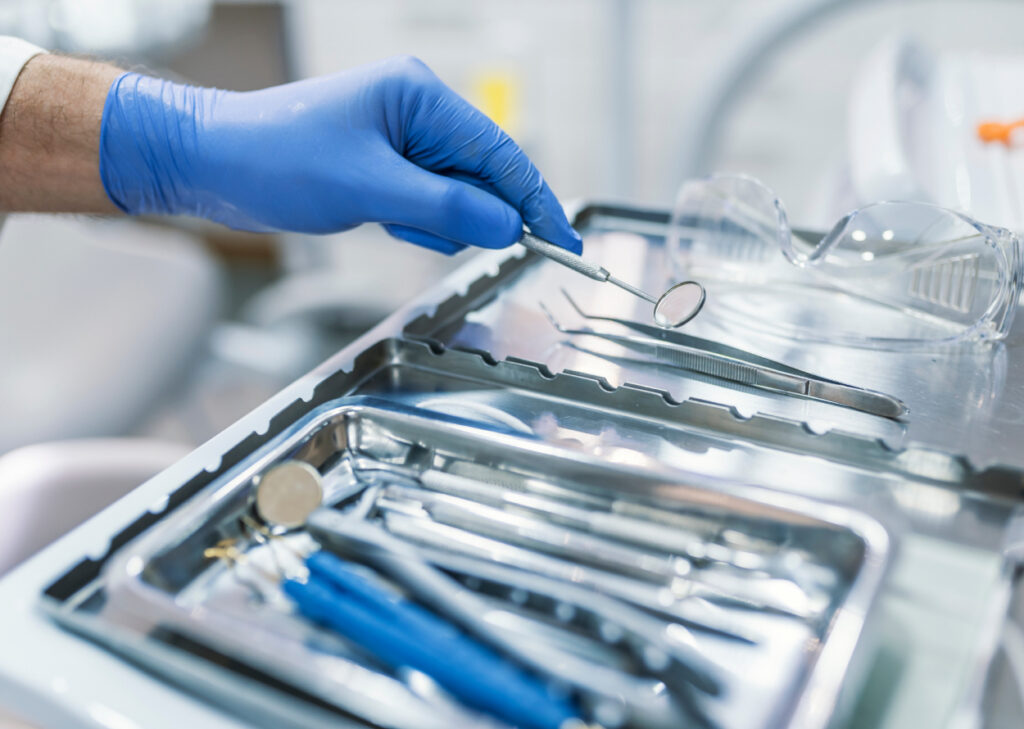
Soft tissue injuries inside the mouth can look dramatic fast. A small cut on the lip can bleed enough to alarm a patient, a parent, or anyone standing nearby. Tongue injuries often swell within minutes. A torn gum flap around a broken tooth can make it hard to tell where the injury ends and the dental problem begins. That is where an Emergency Dentist earns their keep, not just by stopping pain, but by sorting out what is urgent, what is repairable, and what needs a hospital rather than a dental chair.
These injuries sit at the intersection of dentistry, trauma care, and practical judgment. The mouth heals remarkably well because it has a rich blood supply. That same blood supply also makes even modest injuries seem worse than they are. Experience matters. The clinician has to decide whether the bleeding is routine or dangerous, whether a laceration will close on its own or needs sutures, whether a tooth fragment is buried in the lip, and whether there is a deeper issue involving the jaw, salivary ducts, or facial nerves.
What counts as a soft tissue injury in the mouth
When most people think of dental emergencies, they picture teeth. In practice, an Emergency Dentist often treats injuries to the lips, cheeks, gums, tongue, palate, and the tissue under the tongue. These injuries usually fall into a few broad patterns.
Lacerations are cuts caused by sharp edges, tooth fractures, sports trauma, falls, or biting through tissue during an accident. Abrasions are more superficial scrapes, common after a face-first fall on pavement or indoor flooring. Contusions are bruises, often seen after blunt trauma when the tissue is crushed but not torn. Puncture wounds can come from utensils, fractured orthodontic appliances, and occasionally from a patient biting into something hard while the tissue is trapped.
Burns and chemical irritations also land in the emergency category. I have seen tissue slough from aspirin placed against a painful tooth, a home remedy that still turns up more often than it should. Thermal pizza burns on the palate are usually minor, but chemical burns from strong whitening products, clove oil misuse, or caustic substances are another matter. The tissue damage can continue after the initial contact if the irritant is not removed thoroughly.
A key point is that soft tissue injuries rarely arrive alone. The patient with a split lip may also have a chipped incisor, a loose front tooth, or a jaw injury. The emergency visit is never just about the visible cut.
The first few minutes matter most
The opening phase of care is deceptively simple. Stop the bleeding, calm the patient, and get a clear picture of what happened. A seasoned Emergency Dentist does this in a set order because panic and blood can distort everyone’s judgment, including the patient’s.
The first question is not always “Where does it hurt?” It is often “How did this happen?” A sports collision suggests tooth fragments and jaw impact. A kitchen knife slip suggests a cleaner cut. A fall from height raises concern for concussion or facial fractures. A child who bit through a numb lip after local anesthesia presents a very different problem from an adult with a work accident.
Bleeding control comes next. Direct pressure solves many oral bleeding episodes, but the trick is proper pressure in the right place for long enough. Patients often dab and release, dab and release. That does almost nothing. In clinic, pressure is firm and sustained. Gauze is positioned to compress the wound, not simply absorb blood. If the area is hard to reach, especially under the tongue or along the cheek, the clinician may use suction, gauze packing, and gentle retraction to expose the source.
At the same time, the Emergency Dentist is quietly checking the basics. Is the airway clear? Is the tongue swelling? Is there active spurting blood that suggests arterial involvement? Is the patient dizzy, pale, or showing signs of blood loss that are out of proportion to the size of the oral wound? True life-threatening oral bleeding is uncommon in a dental office, but severe injuries do happen. Knowing when to move from dental management to hospital referral is part of the job.
Why oral wounds bleed so much
Patients often assume that heavy bleeding means major damage. In the mouth, that is not always true. The lips, tongue, and gums have a dense vascular supply, which helps them heal quickly. A cut that would look minor on the forearm can look dramatic in the mouth because saliva keeps the blood from clotting neatly on the surface and because blood spreads quickly over mucosa.
That said, some areas deserve special respect. The tongue can bleed briskly and swell enough to interfere with speech, swallowing, and, in rare severe cases, the airway. The floor of the mouth is another area where swelling can become important quickly. Deep lacerations in the cheek may involve ducts from the salivary glands. Lip injuries near the border where the pink lip meets the skin have cosmetic stakes that are higher than patients usually realize in the moment.
A practical example: a teenager takes an elbow playing basketball and arrives with a swollen upper lip. At first glance it looks like a simple split lip. On exam, there may be a small but deep mucosal tear, plus a jagged incisor edge that caused it, plus a tiny hard fragment buried in the tissue. If the fragment is missed, the wound can remain tender for weeks and heal with a lump that later sends the patient back for what feels like an unrelated problem.
How the examination actually unfolds
A proper oral trauma exam is methodical. The dentist cleans the field enough to see what is real and what is just pooled blood. Saline irrigation is standard because dried blood hides depth and direction of tears. Good lighting matters more than people realize. So does taking a few extra seconds to retract the lip or cheek fully and inspect from more than one angle.
The wound itself is assessed for length, depth, contamination, and tissue loss. Clean linear cuts behave differently from crush injuries. A sharply sliced lower lip from a tooth edge may close neatly. A ragged cheek laceration from a fall onto asphalt may contain grit, bacteria, and devitalized tissue that complicates healing.
The adjacent teeth are then checked. Mobility, fracture lines, tenderness to percussion, altered bite, and missing tooth structure all matter. If a tooth fragment cannot be accounted for, it may be in the wound, on the floor, or aspirated. Most of the time the answer is mundane, but “most of the time” is not enough in emergency care. If the story and the exam do not match, imaging enters the picture.
Radiographs are not only for teeth. Soft tissue films can help detect radiopaque foreign material such as tooth fragments embedded in the lip. This is one of those small decisions that separates a careful emergency clinician from a rushed one. A patient with persistent swelling after a lip injury may ultimately need a fragment removed days later if it was missed at the first visit.
Deciding who needs stitches and who does not
Not every oral cut needs sutures. In fact, many small wounds heal beautifully without them because the mouth is so vascular. The decision depends on function, bleeding, wound edges, depth, location, and whether the tissue gapes open at rest.
Small, shallow lacerations inside the cheek often settle with cleaning and observation. A longer cut on the tongue that keeps reopening during speech usually needs closure. A lip laceration that crosses the vermilion border, the visible line between the red part of the lip and the surrounding skin, often needs precise alignment because even a slight mismatch can remain noticeable.
There are also wounds that technically could be sutured but may do well without it if the tissue lies naturally together and the patient can keep the area clean. That judgment is part science and part pattern recognition built over years. Over-treating every oral cut creates unnecessary discomfort. Under-treating the wrong wound can lead to poor healing, ongoing bleeding, or scar formation.
When sutures are needed, absorbable materials are commonly used inside the mouth. They spare the patient a return visit for removal in many cases and tolerate the moist environment well. The technique is gentle. Soft tissue in the mouth can tear if handled roughly. The goal is approximation, not strangulation. Tight sutures that blanch tissue excessively may compromise blood flow and slow healing.
Pain control without making the injury worse
Managing pain in a traumatized mouth takes finesse. Local anesthetic helps the dentist examine and repair the area properly, but injecting into swollen, contaminated, or actively bleeding tissue can distort the wound further. Sometimes a nerve block away from the site works better than infiltrating right at the injury.
For children, pain control is only half the challenge. Fear is the other half. A frightened child with a tongue injury may refuse to open, cry continuously, and worsen bleeding by moving the tissue. In those moments, the Emergency Dentist is part clinician, part coach. Calm tone, short explanations, and quick decisive movements matter more than polished speeches.
Aftercare advice around pain is usually simple and realistic. Soft foods, cool liquids, and avoiding acidic or spicy foods for a few days can spare a patient a lot of misery. Mouth rinses may help, but timing matters. Rinsing too vigorously on day one can restart bleeding.
Cleaning the wound is treatment, not just preparation
One of the most important steps in soft tissue injury management is irrigation and decontamination. It sounds basic because it is basic, and basic steps are often what determine whether a wound heals quietly or turns into a prolonged nuisance.
An oral wound contaminated with dirt, enamel fragments, food particles, or bits of orthodontic appliance does not just need closure. It needs to be clean first. Closing debris into tissue invites inflammation, delayed healing, and infection. This is especially relevant with playground falls, bicycle accidents, and sports injuries on artificial turf, where tiny particles get everywhere.
In lip and cheek injuries, the clinician may gently explore the wound after anesthesia to feel for hard foreign bodies. Patients are often surprised by how small an embedded tooth fragment can be and how much irritation it can cause. I have seen a fragment no larger than a grain of rice create a tender nodule that mimicked scar tissue until it was found.
When infection risk changes the plan
The mouth is not sterile, so every injury starts in a bacterially active environment. Even so, not every oral wound needs antibiotics. This is an area where good emergency care avoids both neglect and overprescribing.
Clean, minor lacerations in healthy patients often heal without antibiotics if they are properly irrigated and, when necessary, closed. Deeper wounds, delayed presentations, bites, heavily contaminated injuries, and cases involving immunocompromised patients push the decision in a different direction. Signs of spreading infection, increasing swelling, foul discharge, fever, or escalating pain after the first day or two deserve more concern.
Tetanus is another practical issue. Dentists do not administer every vaccine-related intervention themselves, but they do ask about status when trauma involves contamination, outdoor injuries, or objects that may carry soil and debris. If the answer is unclear, the patient may need guidance to urgent care or their medical provider.
Cases that should not stay in a dental office
A capable Emergency Dentist knows their scope and its limits. Some oral soft tissue injuries belong in a hospital or multidisciplinary setting. Deep facial lacerations extending through the lip to the skin, uncontrolled bleeding, suspected fractures, large avulsions of tissue, airway compromise, and injuries associated with loss of consciousness are not “watch and wait” situations.
The same applies when important structures may be involved. A laceration near the parotid duct in the cheek can affect salivary flow. Numbness that suggests nerve involvement changes the picture. A child who fell with a mouth object in place, such as a toothbrush or pencil, raises concern for deeper penetration than the outside appearance suggests.
Here is a concise sense of when escalation is appropriate:
- Bleeding does not slow with firm direct pressure and proper local measures.
- Swelling of the tongue, floor of mouth, or throat threatens breathing or swallowing.
- The injury appears to involve the skin of the face, the jaw, salivary ducts, or nerves.
- There is suspicion of facial fracture, concussion, or significant head injury.
- A foreign body is suspected but cannot be located safely in the office.
That list is short by design. In real life, the decision often turns on the whole picture rather than one dramatic finding.
The special case of tongue injuries
Tongue trauma deserves its own section because it behaves differently from many other oral wounds. The tongue is muscular, mobile, and very vascular. Cuts can gape widely because the muscle fibers pull the wound apart. Patients often complain that the bleeding stops, then restarts every time they talk or eat. That is common.
Small tongue bites along the edges often heal without intervention. Deep, split, or actively bleeding lacerations may need sutures, especially if the wound edges separate at rest. Location matters. Injuries on the dorsal surface may behave differently from those near the tip or lateral border. A fork puncture in a toddler is usually more straightforward than a crush laceration from a seizure-related bite.
Swelling can be more troublesome than the cut itself. Even when the airway is not truly threatened, patients may feel that it is, which heightens anxiety. Clear communication helps. So does a realistic explanation that speaking and chewing will be awkward for a few days.
Lip injuries often hide more than they show
Lip trauma is among the most common reasons patients seek urgent dental care after a fall or sports accident. The visible swelling gets attention, but what matters clinically is the full thickness of the injury and whether the lip has been pierced by the teeth from the inside.
A child who falls off a scooter may present with a fat lip and a little blood at the front teeth. Once the lip is everted, there may be a through-and-through laceration, gingival tearing, and a chipped incisor. If the outer skin is involved and the wound crosses the lip border, repair may need a level of cosmetic precision beyond what is appropriate in every general dental setting. That is not a limitation of skill so much as an acknowledgment that some repairs benefit from a surgeon’s involvement.
Embedded tooth fragments in the lip are classic enough that many dentists have a story about them. The clue is often a laceration paired with a chipped front tooth where the missing piece is not found. The lip may feel gritty, firm, or oddly knotted. Imaging helps, and when the fragment is there, removal usually resolves the lingering discomfort.
Soft palate, gums, and the tissue under the tongue
Not all soft tissue injuries are obvious. A puncture wound to the soft palate from a straw, toothbrush, or toy can look deceptively small. Most heal without major issue, but the mechanism matters. Forceful penetration in children deserves caution because the depth can be hard to judge.
Gingival injuries are often tied to tooth trauma. A torn gum around a tooth may signal luxation, root fracture, or alveolar bone injury. If the gum tissue is shredded or displaced, the dentist has to think about stabilizing the tooth, not just closing tissue. That is where emergency dentistry becomes a layered problem. Pain, bleeding, tooth position, and tissue integrity all influence the treatment sequence.
The floor of the mouth is less commonly injured, but when it is, swelling and hematoma formation deserve close attention. That space is unforgiving. Even moderate swelling can interfere with tongue mobility and swallowing.
What patients should do before they reach the office
Good first aid can make the eventual repair easier and reduce blood loss. The advice an Emergency Dentist would ideally give over the phone is practical, not complicated.
- Apply firm pressure with clean gauze or a clean cloth for a solid 10 to 15 minutes without repeatedly checking.
- Use a cold compress on the outside of the mouth or face to reduce swelling.
- If a tooth is broken, bring any fragments found, and avoid rubbing the wound.
- Do not place aspirin or caustic substances directly on the tissue.
- Seek immediate medical care instead of waiting if breathing, swallowing, or consciousness is affected.
People are often surprised by the first point. Ten uninterrupted minutes feels much longer than expected when someone is bleeding. It is still one of the most effective early measures.
Healing expectations and the follow-up that matters
Most oral soft tissue injuries improve quickly. Pain often peaks in the first day or two, then settles. The mouth’s blood supply is generous, which supports fast healing, but “fast” is not the same as “carefree.” Sutures can loosen. Wounds can reopen if a patient eats crusty food too soon. Children commonly re-injure an area by poking it with their tongue.
Follow-up depends on what was treated. A simple cheek laceration may need only home care and a check if symptoms worsen. A more significant lip or tongue repair may merit re-evaluation to confirm healing, monitor for infection, and reassess any associated tooth trauma. This is another point patients sometimes miss. The cut may feel better while the injured tooth is still developing nerve problems that show up days or weeks later.
A professional Emergency Dentist also watches for less dramatic complications: scar bands that restrict movement, persistent numbness, salivary leakage, or tissue that remains bulky because a hidden hematoma or foreign body is present. These are not everyday outcomes, but they are common enough to stay on the radar.
The broader role of the Emergency Dentist
Managing soft tissue injuries in the mouth is not simply a matter of sewing up cuts. It is rapid triage, tissue assessment, bleeding control, wound cleaning, pain management, and careful screening for the injuries that ride alongside the obvious one. It also requires restraint. Some wounds need closure. Some need monitoring. Some need the hospital, and the best treatment is a prompt referral.
Patients often remember the moment as chaotic. A good emergency clinician makes it feel orderly. That matters. The person in the chair may be scared, embarrassed, in pain, or all three. The technical part of treatment counts, but so does the calm explanation that the bleeding looks worse than it is, that the lip can be repaired, that the tooth fragment was found, that the airway is safe, or that this one needs a surgeon now rather than later.
https://charliezwxi647.fotosdefrases.com/top-reasons-people-need-an-emergency-dentist-right-awayThat combination of judgment and hands-on skill is what defines the work. Soft tissue trauma inside the mouth may be messy, but with prompt, experienced care, most injuries heal well and function returns quickly. The key is recognizing that the mouth rarely gives a simple emergency. It gives a layered one, and it takes an Emergency Dentist to sort it out properly.
Simple Dental Vermont
Address: 8914 S Vermont Ave, Los Angeles, CA 90044
Phone number: +13239493000
FAQ About Emergency Dentist Los Angeles CA
What can the ER do for a tooth?
The emergency room can provide temporary symptom relief for a bad tooth, such as prescribing pain medicine or antibiotics, but it cannot fix the actual dental problem.
What is the 3-3-3 rule for tooth infection?
The 3-3-3 rule for a toothache or infection typically means taking three 200 mg ibuprofen tablets (600 mg total) three times a day for no more than three days to control pain and swelling while waiting to see a dentist.
What do you do if you have a dental emergency but no dentist?
If you have a dental emergency and no regular dentist, you should search for an urgent care dental clinic, call local walk-in dental offices, or go to a hospital emergency room if you have severe bleeding, swelling, or trouble breathing.